Blood Pressure: Knowing Your Numbers
What the two numbers mean, why high blood pressure is called the silent one, and how a simple check can tell you where you stand.

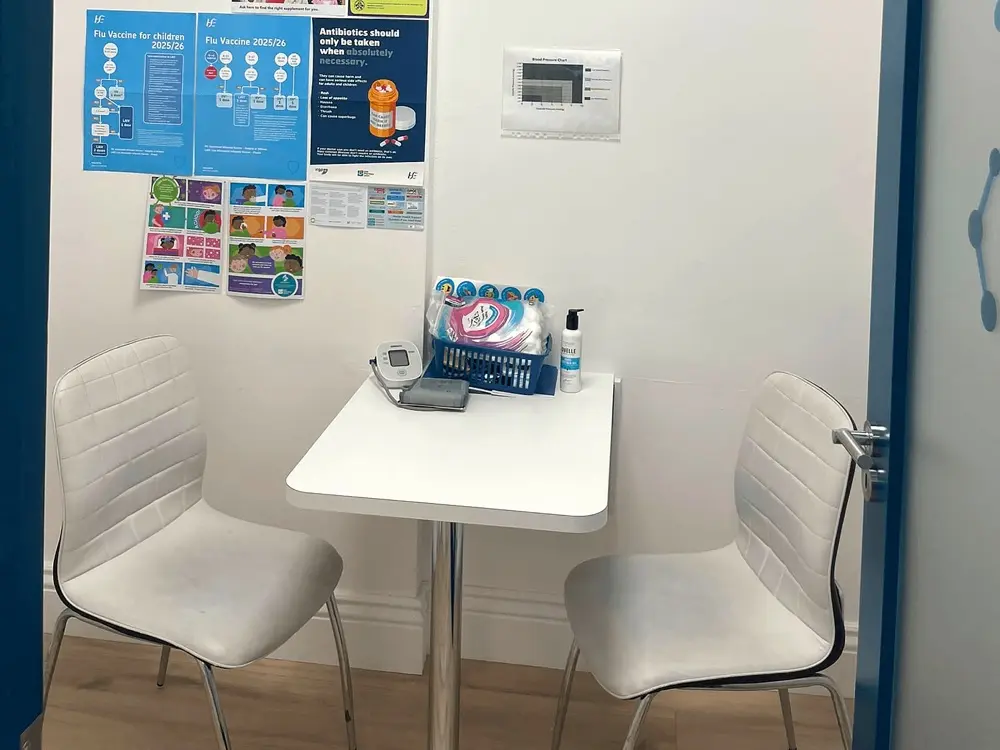
What the numbers mean
A blood pressure reading has two numbers. The top one is the pressure when your heart beats, and the bottom one is the pressure when it rests between beats. Both matter, and what counts as healthy can depend on your age and health, which is where a pharmacist's read of the result helps.
Why it matters
Blood pressure that stays high over time quietly increases the strain on your heart and blood vessels. Because it usually causes no symptoms, many people do not know theirs is raised. Catching it early means it can be managed well, often with simple changes.
High blood pressure rarely announces itself. Most people feel perfectly well. That is exactly why a quiet five-minute check now and again is one of the most useful things you can do for your heart.
Getting an accurate reading
One high reading does not mean much on its own; blood pressure moves around through the day. For a truer picture we sometimes suggest a 24-hour monitor you wear at home, which takes readings as you go about normal life.
- Sit and rest for a few minutes first
- Keep your arm supported at heart height
- Avoid caffeine or a rush just beforehand
- A few readings over time tell more than one
What happens next
We talk you through what your reading means in plain language. If it is fine, that is reassuring. If it needs attention, we help you understand the next step, whether that is lifestyle changes, a recheck, or a conversation with your GP.
This article is general information from our pharmacy team, not a substitute for individual medical advice. A prescription is required for any prescription-only medicine, and your GP or prescriber decides what is right for you. If you are worried, please talk to us or your GP.
Here to help, whenever you need us
Pop in, call us, or get sorted online in seconds.
Our pharmacists at Abberley Court, Tallaght, open until 9pm Monday to Friday. This article is general information and is not a substitute for personal medical advice.